What Is a Yak Chew?
A yak chew is a rock-hard, long-lasting dog treat made from traditional Himalayan cheese called churpi. It is made from just three ingredients -- milk, salt, and lime juice -- pressed, dried, and smoked until it becomes dense enough to keep even the most determined chewer busy for hours.
If you have ever watched your dog demolish a bully stick in twelve minutes flat and thought "there has to be something better," you have found it. Yak chews are the closest thing to an indestructible treat that is actually edible and nutritious. They do not splinter like bones, they do not swell like rawhide, and they do not reek like pig ears.
The concept is beautifully simple: take cheese that Himalayan herders have been eating for centuries, realize that dogs go absolutely unhinged for it, and sell it as the premium chew it genuinely is. No synthetic ingredients, no mystery meal, no fillers. Just ancient cheese, weaponized for canine entertainment.
The short version: Yak chews are dried Himalayan cheese sticks made from three ingredients. They last hours, they are fully digestible, and they have 67.6% protein. They are what every other dog chew wishes it was.
But here is the thing that every brand besides ours gets wrong: they are not actually made from yak milk. Stay with us.
The Yak vs. Nak Difference
Yaks do not lactate. Full stop. A yak is the male of the species Bos grunniens. The female is called a nak (also spelled "dri" or "zhom" depending on the Himalayan dialect). Only naks produce milk. Every single "yak chew" on the market is technically made from nak milk, and every single brand besides Naks Snacks either does not know this or does not care.
We named our entire company after the animal that actually does the work.This is not a technicality or a marketing gimmick. It is basic animal biology. The Sherpa and Tibetan herders who have raised these animals for millennia have always distinguished between yaks and naks. Western brands just never bothered to ask. Or they asked and decided "yak" sounded better for packaging.
We would rather be right than rich. Although, ideally, both.
When you see "yak milk chew" on a competitor's label, you are looking at a company that did not do its homework on the one animal their entire product depends on. At Naks Snacks, the name is the mission: acknowledge the nak, because without her, there is no chew.
Remember: Yak = male. Nak = female. Only naks lactate. Every "yak milk chew" is actually a nak milk chew. We are the only brand honest enough to say so.
The History of Himalayan Churpi
Churpi is not a modern pet product. It is an ancient food that has sustained human beings in some of the harshest terrain on Earth for centuries, possibly millennia.
The word "churpi" (sometimes written "chhurpi") comes from the Tibetan and Nepali languages. There are actually two varieties: soft churpi, which is eaten fresh like cottage cheese, and hard churpi, which is the dried, smoked version that becomes the dog chew you know today. Hard churpi was the original energy bar -- herders in Nepal, Bhutan, and Tibet would carry blocks of it during multi-day treks through the Himalayas, gnawing on it for sustained protein when no other food was available.
The production method has barely changed. Nak milk is boiled with salt and a small amount of lime juice (a natural acid that causes the curds to separate). The curds are strained, pressed into blocks, and then dried and smoked over low heat for weeks. The result is a cheese so dense and shelf-stable that it can last for years without refrigeration at altitudes above 12,000 feet.
Himalayan herders were eating this stuff centuries before anyone thought to give it to a dog.The transition from human food to dog treat happened in the early 2000s when Nepali entrepreneurs realized that the same qualities that made churpi ideal for herders -- extreme hardness, high protein, long shelf life -- also made it the perfect dog chew. Dogs could not get enough of it. The global pet market agreed.
Today, churpi-based dog chews are a significant export from Nepal, supporting rural herding communities and preserving traditional cheesemaking knowledge that might otherwise be lost. When you buy an authentic nak milk chew, you are participating in an economic chain that goes back to some of the oldest pastoral traditions in human history.
That matters. Not just because it makes good copy, but because the alternative is a factory in China pressing mystery protein into a stick shape and calling it artisanal. Origin matters. Tradition matters. Knowing which animal actually produces the milk matters.
How Yak Chews Are Made
The manufacturing process for authentic nak milk chews is remarkably straightforward. Four steps, three ingredients, zero shortcuts.

- Milk Collection and Boiling Fresh nak milk is collected and brought to a boil. Salt and lime juice are added to the hot milk, which causes the proteins (casein) to coagulate and separate from the whey. This is the same basic process used to make paneer, ricotta, or any acid-set cheese. The difference is what happens next.
- Pressing The curds are strained through cloth, then placed into wooden or metal molds and pressed under heavy weight. This step removes excess moisture and compacts the cheese into dense blocks. The pressing can take 24 to 48 hours depending on the desired final hardness.
- Drying The pressed blocks are cut into stick or bar shapes and air-dried for several weeks. In traditional production, this happens at altitude where the thin, dry mountain air accelerates the drying process naturally. The cheese loses most of its remaining moisture, becoming extremely hard -- hard enough that you could not bite through it if you tried.
- Smoking The final step is smoking the dried chews over low heat using traditional hardwoods. This adds flavor, further reduces moisture, and contributes to the characteristic golden-brown color. The smoking also provides a mild natural preservation effect. After smoking, the chews are sorted by size, quality-checked, and packaged.
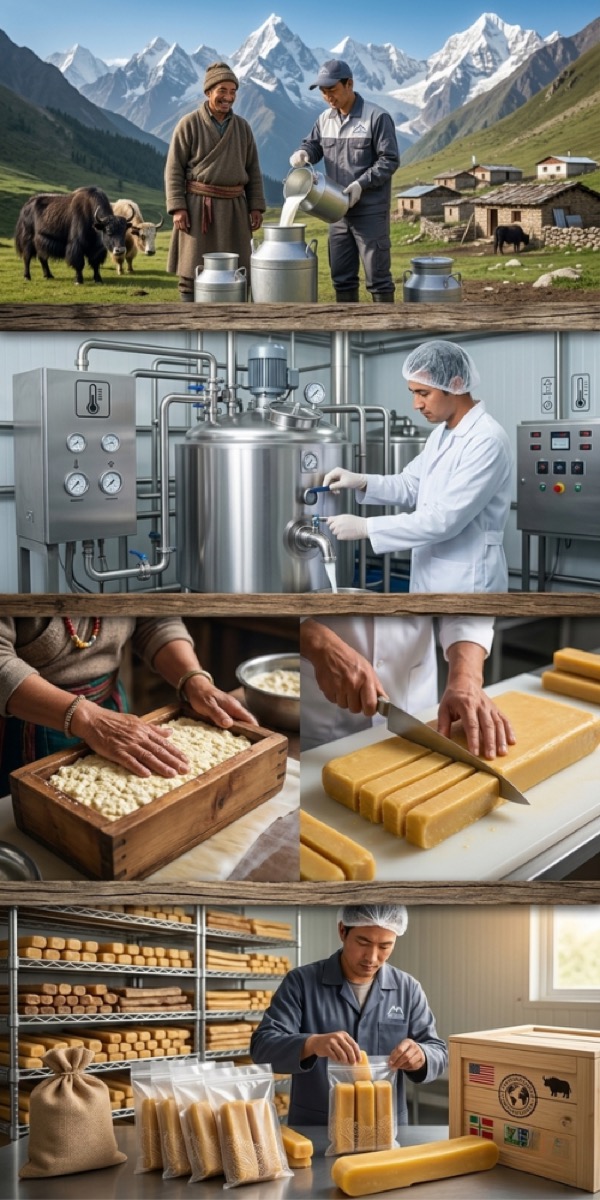
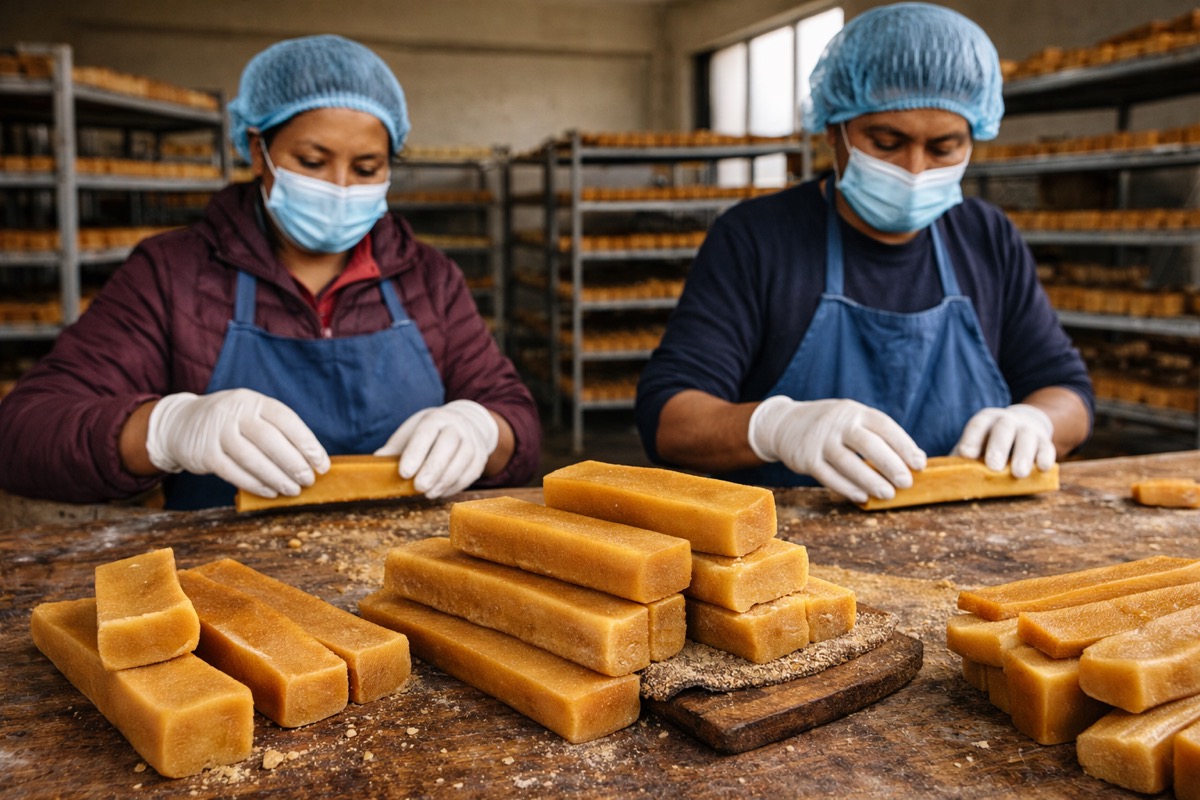
The entire process from fresh milk to finished chew takes four to six weeks. There are no accelerants, no artificial hardeners, no binding agents. The hardness comes entirely from time and moisture loss. That is why authentic chews cost more than gas station rawhide -- because making them properly is slow, traditional work.
Nutritional Profile
Yak chews are one of the most protein-dense dog treats commercially available. Here is the guaranteed analysis for Naks Snacks chews:
Guaranteed Analysis
Let us break down what those numbers actually mean for your dog.
Protein: 67.6%
This is exceptionally high. For context, most bully sticks come in around 30 to 40 percent protein, and commercial kibble averages 25 to 30 percent. The protein in nak milk chews is primarily casein, a slow-digesting milk protein that provides sustained amino acid delivery. This is the same type of protein bodybuilders pay extra for in supplement form. Your dog is getting it from cheese.
High-quality animal protein supports muscle maintenance, coat health, immune function, and tissue repair. For active dogs, working breeds, and senior dogs losing muscle mass, this protein density is meaningful -- not just marketing.
Fat: 1.0%
One percent fat. Read that again. Most dog treats range from 8 to 20 percent fat. Bully sticks typically land around 10 to 15 percent. Pig ears can hit 30 percent or higher. The near-zero fat content makes nak milk chews appropriate for dogs on weight management plans, dogs with pancreatitis concerns, or any owner who wants to give a treat without the caloric guilt.
1% fat. Your dog's waistline says thank you.The low fat content is a natural result of the cheesemaking process. When the curds are pressed and dried, most of the fat separates with the whey. What remains is almost pure protein.
Moisture: 12.0%
The low moisture content is what gives yak chews their legendary hardness and shelf life. At 12 percent moisture, there is simply not enough water to support bacterial growth, which means no preservatives are needed. This is the same preservation principle behind beef jerky, dried fish, and -- yes -- traditional churpi eaten by humans. The dryness also means the chew does not get slimy, sticky, or smelly as your dog works on it.
Ash: 5.6%
"Ash" sounds alarming but it simply refers to the mineral content -- the inorganic matter that remains when you burn away everything else. In nak milk chews, ash represents naturally occurring calcium, phosphorus, magnesium, and trace minerals from the milk itself, plus the small amount of salt added during production. These minerals support bone health, dental strength, and metabolic function. The 5.6 percent ash content is well within normal range for dairy-based products.
Three Ingredients
The ingredients list is disarmingly short: nak milk, salt, lime juice. That is it. No grains, no fillers, no artificial colors, no preservatives, no glycerin, no "natural flavoring" (which is almost always a euphemism for something you would rather not know about). Three ingredients, all of which you could find in any kitchen.
If you cannot pronounce every ingredient in your dog's treat, put it back on the shelf. Nak milk. Salt. Lime juice. Done.
Yak Chew vs. Other Dog Chews
Every dog chew on the market makes claims. Here is how they actually compare when you stop reading marketing copy and start reading labels.
| Factor | Nak Milk Chew | Rawhide | Bully Stick | Antler | Nylon Toy |
|---|---|---|---|---|---|
| Ingredients | 3 (milk, salt, lime) | Cow/horse hide + chemicals | Beef pizzle | Deer/elk antler | Synthetic plastic |
| Protein | 67.6% | ~80% (indigestible) | 30-40% | N/A | 0% |
| Fat | 1% | ~1-2% | 10-15% | N/A | 0% |
| Digestibility | Fully digestible | Poorly digestible (blockage risk) | Fully digestible | Not digestible | Not edible |
| Duration | 1-8+ hours | 30-60 min | 15-45 min | Weeks-months | Months |
| Splintering Risk | None (softens) | Swells, tears | None | Low but possible | Can chip |
| Tooth Fracture Risk | Low | Low | Very low | High (vet dentists warn) | Moderate |
| Odor | Mild cheese | Chemical/leather | Strong (it is what it is) | None | Plastic |
| Price per Hour | $1-3/hr | $2-5/hr | $5-15/hr | $0.10-0.50/hr | $0.01/hr |
| Chemical Processing | None | Bleach, formaldehyde, lye | None (if natural) | None | Full synthetic |
Yak Chew vs. Rawhide
This is not a fair fight. Rawhide is the inner layer of cow or horse hide, processed with chemicals including lye, bleach, and sometimes formaldehyde to strip, whiten, and preserve it. It swells when wet, does not digest properly in a dog's stomach, and is a well-documented cause of intestinal blockages. The ASPCA and multiple veterinary organizations have flagged rawhide as a choking and obstruction hazard.
Nak milk chews are cheese. They soften with saliva, they digest naturally, and they have never required a warning label from a veterinary organization. Comparing the two is like comparing a steak to a leather belt -- one is food, the other just looks like it might be.
Yak Chew vs. Bully Stick
Bully sticks are good treats. We will give them that. They are natural, fully digestible, and most dogs love them. The problem is duration and fat content. A bully stick lasts 15 to 45 minutes for most dogs. A nak milk chew of comparable size lasts 3 to 10 times longer. Bully sticks also carry 10 to 15 percent fat versus 1 percent in our chews, and they have a distinctive odor that will remind you exactly what part of the bull they come from.
For cost per chewing hour, nak milk chews win decisively. You might pay slightly more upfront, but you are getting dramatically more entertainment and nutrition per dollar.
Yak Chew vs. Antler
Antlers last forever. That is their advantage and their danger. They are so hard that veterinary dentists specifically warn against them. Slab fractures of the upper carnassial tooth (the big cheek tooth) are one of the most common dental injuries in dogs, and antlers are a frequent culprit. A slab fracture means a root canal or extraction -- $1,500 to $3,000 at a veterinary dental specialist.
Nak milk chews are hard, but they have give. They soften slightly with sustained chewing, which means your dog gets the satisfaction of working on something challenging without the risk of cracking a tooth on what is essentially a piece of bone.
Yak Chew vs. Nylon Toy
Nylon chew toys (Nylabone, Benebone, etc.) are not food. They are plastic. The flavoring wears off in minutes, and any pieces your dog manages to break off are indigestible plastic fragments passing through their GI tract. They serve a purpose for dogs who need something to gnaw on, but comparing them to an actual edible chew is comparing a photograph of dinner to dinner.
How to Choose the Right Size
Size matters. A chew that is too small is a choking hazard. A chew that is too large just means your dog has more to enjoy. When in doubt, always size up.
Small
Chihuahuas, Yorkies, Maltese, Dachshunds, Shih Tzus, Pomeranians, and small mixed breeds. Also appropriate for puppies over 12 weeks.
Medium
Beagles, Cocker Spaniels, Corgis, Australian Shepherds, Border Collies, Bulldogs, and mid-size mixed breeds. Our most popular size.
Large
Labs, Golden Retrievers, German Shepherds, Pit Bulls, Rottweilers, Mastiffs, Great Danes, and all power chewers regardless of weight.
A note on "power chewers": if your dog is the type that destroys toys within minutes, size up regardless of weight. A 35-pound Pit Bull mix with a strong jaw should get a Large. A 60-pound senior Greyhound who gently mouths things might be fine with a Medium. You know your dog. Trust your judgment.
Browse all sizes and find the right fit at our treat shop.
When in doubt, go bigger. More chew, more joy, less worry.Safety Considerations
Yak chews are one of the safest dog treats available, but "safe" does not mean "unsupervised." Here is what every responsible owner should know.
Always Supervise
This applies to every chew, every treat, and every toy, not just yak chews. Dogs can surprise you. A dog that has gently chewed for months might one day decide to try swallowing a large piece. Watch your dog, especially during the first few sessions with any new type of chew. Once you understand their chewing style, you can relax a bit -- but never leave a dog completely unsupervised with a hard chew.
The Right Size Prevents Problems
Most safety issues with yak chews come from giving a dog a chew that is too small. If the chew is small enough to fit entirely in your dog's mouth, it is too small. The chew should always be significantly longer than the width of your dog's mouth so they have to work on it from the end.
When to Take It Away
When the chew wears down to a piece roughly the size of a golf ball (or small enough that your dog could attempt to swallow it whole), take it away. This is non-negotiable. The good news: that last piece has a second life. See the next section.
Dental Considerations
Yak chews are hard. For dogs with dental issues, cracked teeth, or very old dogs with worn teeth, consult your vet before offering a hard chew. Healthy adult dogs with normal dentition handle yak chews without issue -- the chew softens with sustained contact with saliva, which is by design. But if your dog already has compromised teeth, a hard chew is not the place to discover that.
Puppies
Puppies over 12 weeks can enjoy yak chews, but stick to the Small size and supervise closely. Puppy teeth are softer and smaller. Some owners prefer to start with our Nak Nuggets (bite-size pieces) before graduating to a full chew. Once adult teeth are fully in (around 6 to 7 months), you can move to whatever size matches their weight.
The golden rule: Right size + supervision + take it away when small = safe chewing every time. It is not complicated. It just requires paying attention.
The Microwave Trick
This is the single best hack in the dog chew world, and it turns waste into a bonus treat.
When your dog's chew gets down to that last small piece -- too small to safely chew but too good to throw away -- do this:
- Place the small piece on a microwave-safe plate. Do not skip the plate. The cheese will expand and you do not want it stuck to your microwave turntable.
- Microwave on high for 30 to 60 seconds. Watch it through the window. The piece will puff up dramatically, expanding to 2 to 3 times its original size, like a cheese popcorn.
- Let it cool for 2 to 3 minutes. This is important. The inside will be extremely hot right out of the microwave. Give it time to cool completely before offering it to your dog.
- Give the puffed treat to your dog. It is now a light, crunchy, airy snack -- completely different texture from the original hard chew, but same great taste. Most dogs inhale it in seconds.
The science is simple: the small amount of residual moisture inside the cheese turns to steam in the microwave, expanding the protein structure into an airy puff. It is the same principle behind puffed rice or pork rinds. The result is completely safe to eat -- it is still just cheese, just in a different physical form.
Some owners microwave pieces intentionally for puppies, senior dogs, or dogs with dental sensitivity who cannot handle the hardness of a full chew. It is a perfectly valid way to enjoy the product at a softer texture.
How Long Do Yak Chews Last?
It depends. That is the honest answer. Three variables determine chew duration: the size of the chew, the size of your dog, and the intensity of their chewing style.
Light Chewers
Dogs who gently gnaw, take breaks, and come back to a chew over multiple sessions. These dogs can make a Medium chew last one to two weeks of intermittent chewing. Breeds like Shih Tzus, Cavalier King Charles Spaniels, and older dogs tend to fall into this category.
Moderate Chewers
The average dog. They settle in for a focused chew session of 30 to 60 minutes, then move on. A Medium chew typically lasts 3 to 5 sessions for these dogs, or roughly a week. Most Golden Retrievers, Beagles, and standard mixed breeds chew at this pace.
Power Chewers
The destroyers. Pit Bulls, Labs, German Shepherds, Malinois, and any dog that treats chewing as a competitive sport. These dogs can work through a Large chew in 2 to 4 hours of sustained effort. That sounds fast until you realize a bully stick would be gone in 15 minutes. Even for power chewers, yak chews deliver dramatically more value per dollar than any other edible option.
Our honest estimate: For the average dog with a Medium chew, expect 3 to 8 hours of total chewing time spread across multiple sessions. That is not a guarantee -- it is a realistic range based on thousands of dogs and their very opinionated owners.
Shelf life is a different question. Unopened and stored in a cool, dry place, yak chews last up to 5 years. They are drier than beef jerky. Bacteria cannot grow without moisture. You could buy a bulk pack and work through it over months without any quality degradation.
Where to Buy Authentic Nak Chews
Not all "yak chews" are created equal. The market is flooded with cheap imitations that mix in cow milk, add starch fillers, or skip the smoking process entirely. Here is what to look for in an authentic product:
- Ingredient list: Should be three ingredients or fewer. Nak/yak milk, salt, lime juice. If you see "cheese powder," starch, or any binding agent, walk away.
- Origin: Authentic churpi comes from Nepal, Bhutan, or Tibet. "Made in China" or "Made in Brazil" chews are not traditional churpi -- they are factory reproductions using cow milk.
- Hardness: A real yak chew should be rock-hard. If it bends, it is underdried. If it crumbles, it was improperly pressed. It should feel like a dense block of wood.
- Color: Natural golden-brown to dark amber. Bright white chews have been bleached or are made from cow milk. Consistent dark color throughout indicates proper smoking.
- Smell: Mild smoky cheese scent. No chemical smell, no strong barnyard odor. If it smells like nothing, it probably is nothing.
Or you could skip the detective work and buy from us. Naks Snacks chews are sourced from a certified facility in Nepal, made from 100% nak milk, smoked traditionally, and tested for quality before we put our name on them. Three ingredients, no fillers, no shortcuts.
We are the only brand that knows which animal makes the milk. That should tell you something.Every order ships with clear sizing guidance, storage tips, and the microwave trick printed right on the package. And yes -- we include a free sample of Nak Crack with your first order, because once your dog tries it, the decision makes itself.
Frequently Asked Questions
We have compiled answers to the most common questions we get about yak chews, nak milk, sizing, safety, and everything in between. For the full list, visit our dedicated FAQ page.
Are yak chews safe for puppies?
Yes, for puppies over 12 weeks old. Use the Small size and supervise closely. Puppy teeth are softer, so monitor for any signs of dental discomfort. Many owners start with our Nak Nuggets (smaller, bite-size pieces) before moving to full chews once adult teeth come in around 6 to 7 months.
Can yak chews cause diarrhea?
Some dogs experience mild digestive adjustment when first introduced to yak chews, particularly if they are not used to dairy-based treats. This is rare and usually resolves within a day. If your dog has a known dairy sensitivity, start with a small piece and monitor. The lactose content in churpi is extremely low due to the fermentation and drying process -- most lactose-sensitive dogs handle it fine.
Do yak chews smell?
Barely. They have a faint smoky, cheesy scent when dry. While your dog chews, the scent becomes slightly more noticeable but is nothing compared to bully sticks, pig ears, or raw bones. Your couch will survive.
Are yak chews grain-free?
Yes. Three ingredients: nak milk, salt, lime juice. No grains, no gluten, no soy, no corn. Appropriate for dogs on grain-free, limited ingredient, or elimination diets.
Can I give my dog a yak chew every day?
Yes. Yak chews are low in fat (1%) and high in protein (67.6%), making them appropriate for regular use. As with any treat, account for the calories in your dog's overall daily intake. For most dogs, a yak chew replaces a treat, not a meal.
My dog is not interested in the chew. What do I do?
Some dogs need a little encouragement. Try rubbing a small amount of peanut butter on the end of the chew, or soak it in warm water or low-sodium broth for 5 minutes to release more aroma. Some dogs take 2 to 3 exposures before they "get it." Once they do, good luck getting it back.
Have a question we did not cover? Check our comprehensive FAQ page or reach out to us directly.